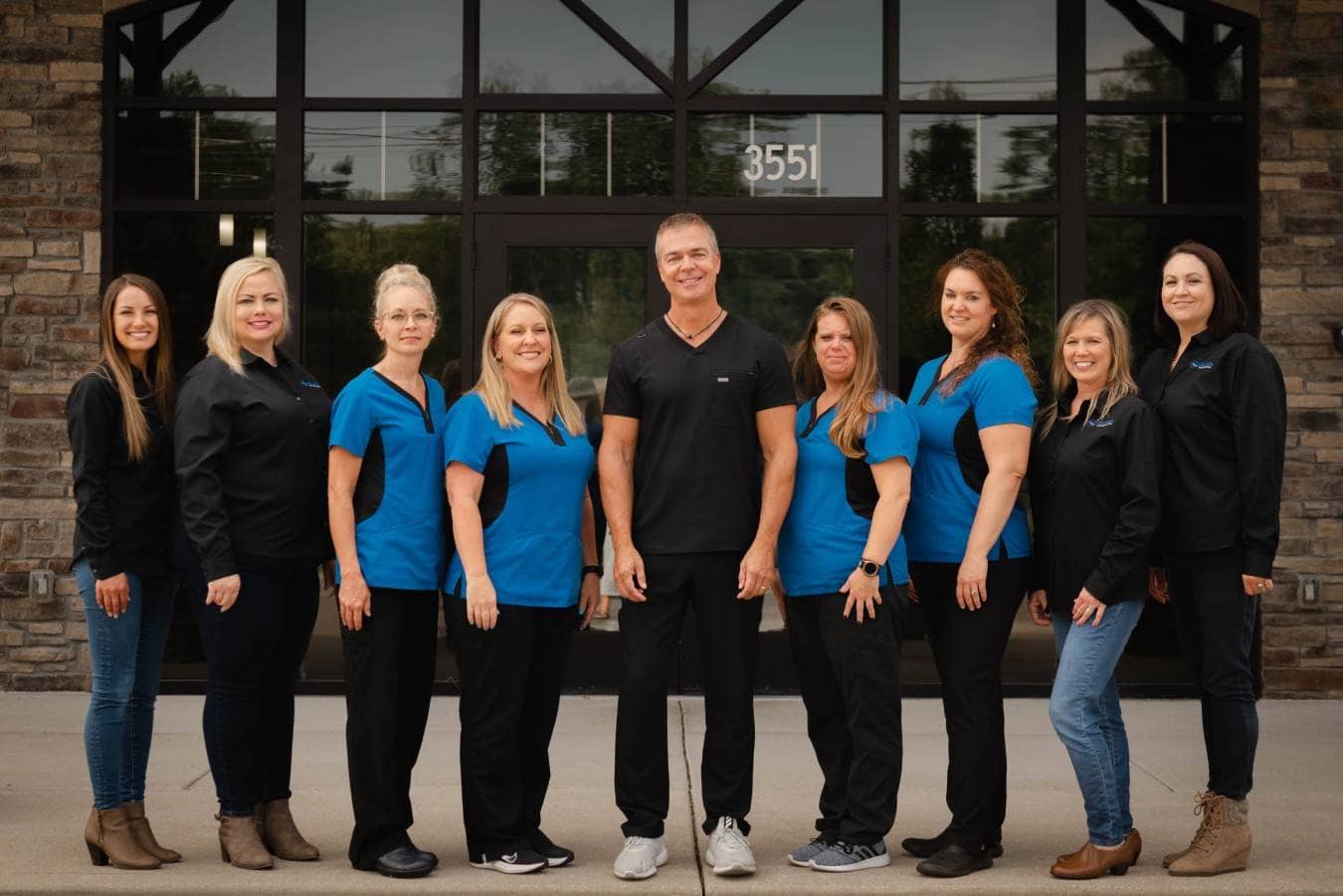
At McCabe Orthodontics, you’ll get your new smile while enjoying yourself every minute. You’ll find a friendly team, the latest technology to improve your smile journey, and an all-around great experience with Dr. McCabe.
During the course of treatment, we develop strong relationships with our patients. You and your family become our friends, and we look forward to each visit as a time to hear the latest news and what’s happening in your lives.
While we take orthodontic treatment procedures very seriously, we love to have a good time while delivering world-class care. And we laugh together, a lot.
Dr. Russell McCabe is passionate about providing personalized orthodontic care that has a positive, lasting impact on each patient’s life.
Dr. Russell McCabe
Orthodontic Specialist
Voted Top Doctor For 13 Consecutive Years
Dedicated To Continuing Education & Growth
Regularly Supporting His Local Community
Passionate About Personalized Care For All
In our fast-paced world, Dr. McCabe likes to slow things down, taking time to listen and truly get to know his patients on a personal level. He firmly believes this is the best way to ensure an excellent experience no matter your age or smile goals.
Each person on our team invests in our patients. We will always show you the kindness, compassion, and respect they’d expect for themselves and their loved ones.
At McCabe Orthodontics, we offer the latest in cutting-edge technologies, so you not only get a more accurate diagnosis and treatment plan but also enjoy the highest level of comfort.
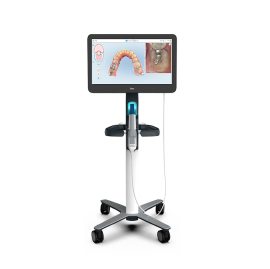
iTero Scanner
The iTero Scanner generates a 3D model of your smile. This allows us to craft highly precise treatment plans tailored to the individual needs of each case.
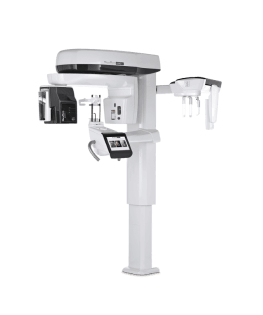
Digital X-Rays
Unlike traditional X-rays, we take instant digital X-ray images that show a more accurate representation of your teeth, root structure, and jaw formation.
We understand your need to receive treatment in a practice where you feel comfortable, safe, and welcome. Please feel free to schedule an appointment, or stop by for a complete tour of our practice.
You will get to meet our team, walk through our office and treatment areas, and learn more about the treatments we provide.
The cost of braces in Indiana can vary depending on the type of braces, treatment duration, and individual needs. On average, traditional metal braces may range from $3,000 to $7,000, while Invisalign could cost between $4,000 to $8,000. It's best to schedule a consultation for an accurate estimate.
How much are braces in Indiana with insurance?
The cost of braces in Indiana with insurance can vary depending on the type of insurance coverage you have. Typically, insurance can cover a portion of the cost of braces, reducing the out-of-pocket expenses for patients. It's best to contact your insurance provider or orthodontic office for specific pricing details based on your insurance plan.
What insurance plans cover braces?
Insurance plans that cover braces vary, but many dental insurance policies offer orthodontic coverage. Common providers include Delta Dental, Cigna, and MetLife. It's essential to check your specific plan for coverage details, limitations, and any required pre-authorization. Additionally, flexible spending accounts (FSAs) or health savings accounts (HSAs) can often be used for orthodontic treatment costs.
Are braces costs higher in Columbus?
Braces costs in Columbus can vary depending on the type of braces and individual treatment needs. Factors like insurance coverage and payment plans also influence the overall cost. It's best to schedule a consultation with an orthodontist in Columbus for accurate pricing information tailored to your specific situation.
Is Invisalign available in Columbus, Indiana?
Yes, Invisalign is available in Columbus, Indiana at McCabe Orthodontics. Dr. McCabe offers Invisalign for kids, teens, and adults, providing personalized care with the latest technology for a comfortable treatment experience. Contact us for a free consultation to learn more about Invisalign options in Columbus.
Do orthodontists offer payment plans?
Yes, orthodontists often offer payment plans to make treatment more affordable for patients. These plans help spread the cost of orthodontic care over time, making it accessible to a wider range of individuals seeking to improve their smiles. Contact your orthodontist to inquire about available payment options.
Can dental discounts apply to braces?
Dental discounts may apply to braces depending on the specific terms of the discount plan or insurance coverage. It's essential to check with your provider to understand the extent of coverage for orthodontic treatment, including braces, and any associated discounts or benefits that may be available.
Are ceramic braces more expensive?
Ceramic braces are typically more expensive than traditional metal braces due to their aesthetic appeal and material cost. The price difference varies depending on the orthodontic practice and location. Factors like customization and maintenance can also contribute to the higher cost of ceramic braces.
How long is orthodontic treatment?
The duration of orthodontic treatment varies depending on individual needs, but typically ranges from 18 to 36 months. Factors like the severity of the orthodontic issues, type of treatment, and patient compliance can influence the length of treatment. Regular appointments and following the orthodontist's instructions help achieve optimal results within the estimated timeframe.
Is there a cheaper alternative to braces?
In some cases, clear aligners like Invisalign can be a more cost-effective alternative to traditional braces. However, the overall cost varies based on individual treatment needs and insurance coverage. It's best to consult with an orthodontist to determine the most suitable and affordable option for your specific situation.
Do orthodontists in Columbus offer retainers?
Yes, orthodontists in Columbus offer retainers as part of their services. Retainers are commonly provided after braces or Invisalign treatment to maintain the new alignment of teeth. Patients can consult with their orthodontist to discuss retainer options and care instructions.
How often are orthodontic visits required?
Orthodontic visits are typically required every 4 to 8 weeks to monitor progress, make adjustments, and ensure treatment is on track. The frequency may vary based on individual treatment plans and needs. Regular visits are crucial for successful orthodontic outcomes.
Can adults get braces in Indiana?
Yes, adults can get braces in Indiana. McCabe Orthodontics in Columbus, IN offers braces for adults, providing personalized care with the latest technology. Dr. McCabe specializes in adult orthodontic treatment, ensuring a comfortable and effective experience for adult patients seeking to improve their smiles.
What age to start braces for kids?
Orthodontic treatment for kids typically begins between the ages of 9 and 14, once most permanent teeth have erupted. However, the exact age can vary based on individual needs and development. It's best to consult with an orthodontist for personalized recommendations.
Is orthodontic care tax deductible?
Orthodontic care is typically not tax-deductible as a medical expense unless it is deemed necessary for medical reasons. Expenses that exceed a certain percentage of your adjusted gross income may be deductible, but cosmetic procedures are usually not eligible. Consult a tax professional for specific advice.
Do braces prices vary by type?
Yes, braces prices vary by type, with traditional metal braces typically being the most cost-effective option, followed by ceramic braces and then Invisalign aligners, which tend to be the most expensive due to their advanced technology and convenience. Factors like treatment complexity and location can also impact pricing.
Are braces covered by Medicaid in Indiana?
Braces are typically not covered by Medicaid in Indiana. However, exceptions may apply for specific cases deemed medically necessary. It's essential to check with Medicaid and your orthodontist for eligibility and coverage details. Additional financial assistance options may be available for those who qualify.
Can braces fix an overbite?
Braces can help correct mild to moderate overbites by gradually shifting the teeth and jaw into proper alignment. Severe overbites may require additional orthodontic interventions or jaw surgery for optimal results. It's essential to consult with an orthodontist for personalized treatment recommendations.
How to choose an orthodontist in Columbus?
When choosing an orthodontist in Columbus, consider factors like experience, technology used, patient reviews, and personalized care. Look for a specialist like Dr. McCabe with advanced technology, positive reviews, and a focus on personalized treatment for a great orthodontic experience.
Are consultations for braces free?
Yes, consultations for braces are free at McCabe Orthodontics. Patients can schedule a complimentary consultation to discuss their orthodontic needs and treatment options with Dr. McCabe and the team. This allows individuals to explore their options without any financial commitment.
Can orthodontic care improve dental health?
Orthodontic care can improve dental health by correcting misalignments, reducing the risk of decay, gum disease, and jaw issues. Straighter teeth are easier to clean, leading to better oral hygiene and overall health. Additionally, proper alignment can improve bite function and alleviate issues like TMJ disorders.
Are lingual braces available locally?
Yes, lingual braces are available locally at McCabe Orthodontics in Columbus, IN. Dr. McCabe offers various types of braces, including lingual braces, for patients looking for discreet orthodontic treatment options. Contact the office at (812) 376-9425 for more information or to schedule a consultation.
Do you offer teeth whitening post-braces?
Yes, we offer teeth whitening post-braces to enhance your smile further. Our practice provides comprehensive orthodontic care, including whitening options to complement your treatment. Contact us for more information on our teeth whitening services.
Whats the duration for wearing braces?
The duration for wearing braces varies depending on individual needs, typically ranging from 18 months to 3 years. Factors like treatment complexity, age, and adherence to orthodontic guidelines influence the length of time braces are worn. Regular adjustments and proper care help achieve optimal results within the estimated timeframe.
Can dental schools offer cheaper braces?
Dental schools may offer cheaper braces through their orthodontic programs. Students, supervised by experienced orthodontists, provide treatment at reduced costs. However, appointments may take longer, and availability can vary. Contact local dental schools for more information on their orthodontic services.
Are there financing options for orthodontics?
Yes, at McCabe Orthodontics, we offer affordable payment plans to make orthodontic treatment accessible. Our team will work with you to find a financing option that fits your budget and ensures you can achieve the smile you deserve. Contact us for more information on our flexible payment options.
Is there a warranty on braces?
Braces typically do not come with a warranty. However, orthodontic practices may offer guarantees or adjustments within a certain timeframe if issues arise. It's essential to discuss specific warranty or guarantee details with your orthodontist before starting treatment.
Do you need a referral for braces?
No, you do not need a referral for braces. You can schedule a consultation directly with an orthodontist to discuss your treatment options and begin the process of getting braces without needing a referral from another healthcare provider.
Are there hidden costs with braces?
When considering braces, it's essential to inquire about potential hidden costs. These may include fees for initial consultations, X-rays, emergency visits, and additional treatments like retainers. Understanding the full scope of expenses upfront helps in budgeting effectively for orthodontic care.
Does insurance cover emergency orthodontic visits?
Insurance coverage for emergency orthodontic visits varies. Some insurance plans may cover a portion of the cost, while others may not cover emergency visits at all. It's essential to check with your insurance provider to understand your specific coverage for orthodontic emergencies.
mccabe orthodontics, dr mccabe ortho, dr. mccabe orthopedic, russell mccabe, mc cabe, indiana orthodontist, russell orthodontics, orthodontist, orthodontist columbus indiana, mccabe orthodontics gautier, wave ortho, orthadontist, dr.mccabe, columbus orthodontics, practicebeacon, dr mccabe orthodontist, itero scanner russell, dr mccabe orthodontics, mccabes near me, mccabe orthopedic, dr mcabe, mccabe russell, mcccabe, ortho columbus indiana, rocky ford invisalign, dr mccabe, mccabe orthodontist, mccabe orthodontics columbus indiana, columbus orthodontist, russ mccabe, mccabe ortho, orthodontist near me, dr. mccabe, michael orthodontics, mccabe orthodontics reviews, ford orthodontics, mccabe, orthodontist in columbus, orthopart, columbus orthodontists, ortho office near me, indiana orthodontics, orthodontics in columbus, ortho wave, mccabe orthodontics gulfport, orthodontic treatment in columbus, dr young orthodontist, dr macabe, orthodontist columbus, mccabe dentist, dental and orthodontics, dr russell orthodontist, orthodontics columbus, mccab, dr mccabe dentist, orthopedic dentist, mccabe hours, dds ortho, orthodontist indiana, dr mc cabe, mccabes hours, dr mccabe office, orthodontists near me, braces dentist near me, mccabe orthodontics team
The cost of braces in Indiana can vary depending on the type of braces, treatment duration, and individual needs. On average, traditional metal braces may range from $3,000 to $7,000, while Invisalign could cost between $4,000 to $8,000. It's best to schedule a consultation for an accurate estimate.
How much are braces in Indiana with insurance?
The cost of braces in Indiana with insurance can vary depending on the type of insurance coverage you have. Typically, insurance can cover a portion of the cost of braces, reducing the out-of-pocket expenses for patients. It's best to contact your insurance provider or orthodontic office for specific pricing details based on your insurance plan.
What insurance plans cover braces?
Insurance plans that cover braces vary, but many dental insurance policies offer orthodontic coverage. Common providers include Delta Dental, Cigna, and MetLife. It's essential to check your specific plan for coverage details, limitations, and any required pre-authorization. Additionally, flexible spending accounts (FSAs) or health savings accounts (HSAs) can often be used for orthodontic treatment costs.
Are braces costs higher in Columbus?
Braces costs in Columbus can vary depending on the type of braces and individual treatment needs. Factors like insurance coverage and payment plans also influence the overall cost. It's best to schedule a consultation with an orthodontist in Columbus for accurate pricing information tailored to your specific situation.
Is Invisalign available in Columbus, Indiana?
Yes, Invisalign is available in Columbus, Indiana at McCabe Orthodontics. Dr. McCabe offers Invisalign for kids, teens, and adults, providing personalized care with the latest technology for a comfortable treatment experience. Contact us for a free consultation to learn more about Invisalign options in Columbus.
Do orthodontists offer payment plans?
Yes, orthodontists often offer payment plans to make treatment more affordable for patients. These plans help spread the cost of orthodontic care over time, making it accessible to a wider range of individuals seeking to improve their smiles. Contact your orthodontist to inquire about available payment options.
Can dental discounts apply to braces?
Dental discounts may apply to braces depending on the specific terms of the discount plan or insurance coverage. It's essential to check with your provider to understand the extent of coverage for orthodontic treatment, including braces, and any associated discounts or benefits that may be available.
Are ceramic braces more expensive?
Ceramic braces are typically more expensive than traditional metal braces due to their aesthetic appeal and material cost. The price difference varies depending on the orthodontic practice and location. Factors like customization and maintenance can also contribute to the higher cost of ceramic braces.
How long is orthodontic treatment?
The duration of orthodontic treatment varies depending on individual needs, but typically ranges from 18 to 36 months. Factors like the severity of the orthodontic issues, type of treatment, and patient compliance can influence the length of treatment. Regular appointments and following the orthodontist's instructions help achieve optimal results within the estimated timeframe.
Is there a cheaper alternative to braces?
In some cases, clear aligners like Invisalign can be a more cost-effective alternative to traditional braces. However, the overall cost varies based on individual treatment needs and insurance coverage. It's best to consult with an orthodontist to determine the most suitable and affordable option for your specific situation.
Do orthodontists in Columbus offer retainers?
Yes, orthodontists in Columbus offer retainers as part of their services. Retainers are commonly provided after braces or Invisalign treatment to maintain the new alignment of teeth. Patients can consult with their orthodontist to discuss retainer options and care instructions.
How often are orthodontic visits required?
Orthodontic visits are typically required every 4 to 8 weeks to monitor progress, make adjustments, and ensure treatment is on track. The frequency may vary based on individual treatment plans and needs. Regular visits are crucial for successful orthodontic outcomes.
Can adults get braces in Indiana?
Yes, adults can get braces in Indiana. McCabe Orthodontics in Columbus, IN offers braces for adults, providing personalized care with the latest technology. Dr. McCabe specializes in adult orthodontic treatment, ensuring a comfortable and effective experience for adult patients seeking to improve their smiles.
What age to start braces for kids?
Orthodontic treatment for kids typically begins between the ages of 9 and 14, once most permanent teeth have erupted. However, the exact age can vary based on individual needs and development. It's best to consult with an orthodontist for personalized recommendations.
Is orthodontic care tax deductible?
Orthodontic care is typically not tax-deductible as a medical expense unless it is deemed necessary for medical reasons. Expenses that exceed a certain percentage of your adjusted gross income may be deductible, but cosmetic procedures are usually not eligible. Consult a tax professional for specific advice.
Do braces prices vary by type?
Yes, braces prices vary by type, with traditional metal braces typically being the most cost-effective option, followed by ceramic braces and then Invisalign aligners, which tend to be the most expensive due to their advanced technology and convenience. Factors like treatment complexity and location can also impact pricing.
Are braces covered by Medicaid in Indiana?
Braces are typically not covered by Medicaid in Indiana. However, exceptions may apply for specific cases deemed medically necessary. It's essential to check with Medicaid and your orthodontist for eligibility and coverage details. Additional financial assistance options may be available for those who qualify.
Can braces fix an overbite?
Braces can help correct mild to moderate overbites by gradually shifting the teeth and jaw into proper alignment. Severe overbites may require additional orthodontic interventions or jaw surgery for optimal results. It's essential to consult with an orthodontist for personalized treatment recommendations.
How to choose an orthodontist in Columbus?
When choosing an orthodontist in Columbus, consider factors like experience, technology used, patient reviews, and personalized care. Look for a specialist like Dr. McCabe with advanced technology, positive reviews, and a focus on personalized treatment for a great orthodontic experience.
Are consultations for braces free?
Yes, consultations for braces are free at McCabe Orthodontics. Patients can schedule a complimentary consultation to discuss their orthodontic needs and treatment options with Dr. McCabe and the team. This allows individuals to explore their options without any financial commitment.
Can orthodontic care improve dental health?
Orthodontic care can improve dental health by correcting misalignments, reducing the risk of decay, gum disease, and jaw issues. Straighter teeth are easier to clean, leading to better oral hygiene and overall health. Additionally, proper alignment can improve bite function and alleviate issues like TMJ disorders.
Are lingual braces available locally?
Yes, lingual braces are available locally at McCabe Orthodontics in Columbus, IN. Dr. McCabe offers various types of braces, including lingual braces, for patients looking for discreet orthodontic treatment options. Contact the office at (812) 376-9425 for more information or to schedule a consultation.
Do you offer teeth whitening post-braces?
Yes, we offer teeth whitening post-braces to enhance your smile further. Our practice provides comprehensive orthodontic care, including whitening options to complement your treatment. Contact us for more information on our teeth whitening services.
Whats the duration for wearing braces?
The duration for wearing braces varies depending on individual needs, typically ranging from 18 months to 3 years. Factors like treatment complexity, age, and adherence to orthodontic guidelines influence the length of time braces are worn. Regular adjustments and proper care help achieve optimal results within the estimated timeframe.
Can dental schools offer cheaper braces?
Dental schools may offer cheaper braces through their orthodontic programs. Students, supervised by experienced orthodontists, provide treatment at reduced costs. However, appointments may take longer, and availability can vary. Contact local dental schools for more information on their orthodontic services.
Are there financing options for orthodontics?
Yes, at McCabe Orthodontics, we offer affordable payment plans to make orthodontic treatment accessible. Our team will work with you to find a financing option that fits your budget and ensures you can achieve the smile you deserve. Contact us for more information on our flexible payment options.
Is there a warranty on braces?
Braces typically do not come with a warranty. However, orthodontic practices may offer guarantees or adjustments within a certain timeframe if issues arise. It's essential to discuss specific warranty or guarantee details with your orthodontist before starting treatment.
Do you need a referral for braces?
No, you do not need a referral for braces. You can schedule a consultation directly with an orthodontist to discuss your treatment options and begin the process of getting braces without needing a referral from another healthcare provider.
Are there hidden costs with braces?
When considering braces, it's essential to inquire about potential hidden costs. These may include fees for initial consultations, X-rays, emergency visits, and additional treatments like retainers. Understanding the full scope of expenses upfront helps in budgeting effectively for orthodontic care.
Does insurance cover emergency orthodontic visits?
Insurance coverage for emergency orthodontic visits varies. Some insurance plans may cover a portion of the cost, while others may not cover emergency visits at all. It's essential to check with your insurance provider to understand your specific coverage for orthodontic emergencies.
mccabe orthodontics, dr mccabe ortho, dr. mccabe orthopedic, russell mccabe, mc cabe, indiana orthodontist, russell orthodontics, orthodontist, orthodontist columbus indiana, mccabe orthodontics gautier, wave ortho, orthadontist, dr.mccabe, columbus orthodontics, practicebeacon, dr mccabe orthodontist, itero scanner russell, dr mccabe orthodontics, mccabes near me, mccabe orthopedic, dr mcabe, mccabe russell, mcccabe, ortho columbus indiana, rocky ford invisalign, dr mccabe, mccabe orthodontist, mccabe orthodontics columbus indiana, columbus orthodontist, russ mccabe, mccabe ortho, orthodontist near me, dr. mccabe, michael orthodontics, mccabe orthodontics reviews, ford orthodontics, mccabe, orthodontist in columbus, orthopart, columbus orthodontists, ortho office near me, indiana orthodontics, orthodontics in columbus, ortho wave, mccabe orthodontics gulfport, orthodontic treatment in columbus, dr young orthodontist, dr macabe, orthodontist columbus, mccabe dentist, dental and orthodontics, dr russell orthodontist, orthodontics columbus, mccab, dr mccabe dentist, orthopedic dentist, mccabe hours, dds ortho, orthodontist indiana, dr mc cabe, mccabes hours, dr mccabe office, orthodontists near me, braces dentist near me, mccabe orthodontics team